
Discover Our Latest Development in 55+ Living
.gif)

The Hidden Cost of Refrigerator Water Line Leaks

August 10, 2026
Every time you fill up your reusable water bottle at the refrigerator water line is a chance that you’ll be damaging your home. It shouldn’t be this bad, but a small problem like a water line leak at your fridge can lead to more significant issues down the road, like subfloor failure.
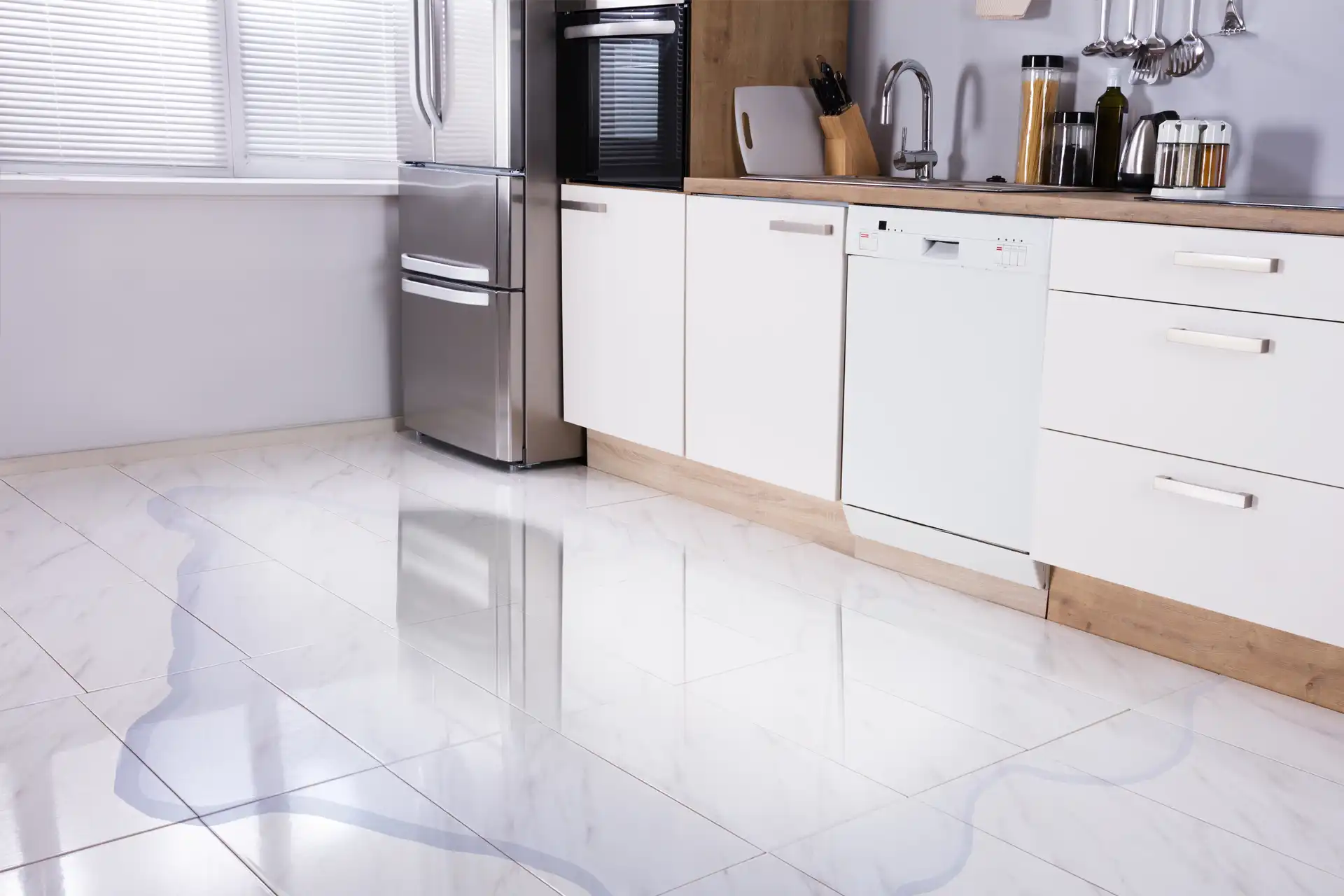
Unlike a burst pipe that announces itself with an unmistakable splash, refrigerator water line leaks are sneaky. They often begin with a slow drip that hides behind cabinets, beneath flooring, or inside walls. By the time you notice something is wrong, that tiny leak may have turned into extensive hidden kitchen water damage.
The good news? Knowing what to watch for can help you catch problems early and avoid major repairs.
Refrigerator Water Line Leaks Are Easy to Miss
Most homeowners don't make a habit of pulling their refrigerator away from the wall for a weekly inspection. Honestly, if you've ever tried moving one that's packed with groceries, you know it's practically an invitation to develop a hernia or pull a muscle.
Because the water line is hidden, even a steady leak can go unnoticed for weeks or months. Instead of creating a puddle on your kitchen floor, water often seeps underneath cabinets and flooring where it quietly soaks into building materials.
Refrigerator Water Line Leak Symptoms Twin Falls, ID Homeowners Should Never Ignore
Small warning signs often appear long before serious damage becomes visible. Be on the lookout for these symptoms before it’s too late:
Soft or Warped Flooring
If your hardwood, laminate, or vinyl flooring suddenly feels soft underfoot or begins to buckle, moisture underneath may be to blame. Water can weaken the subfloor long before the surface starts to show signs of trouble.
Musty Odors
Does your kitchen smell a little...off? A damp, earthy odor often signals moisture trapped beneath cabinets or flooring. Even if you can't see water, your nose may be telling you it's there.
Water Stains or Cabinet Damage
Discoloration along baseboards, swollen cabinet bottoms, peeling finishes, or bubbling paint all deserve a closer look. These changes often indicate that water has been lurking where it shouldn't.
Mold Around the Refrigerator Area
Finding mold near your refrigerator is never normal. Even small patches can indicate a larger moisture problem hidden behind walls or beneath flooring.
If you notice any of these refrigerator water line leak symptoms in Twin Falls, ID, don't assume they'll resolve on their own. Water damage only gets worse with time.
When Water Sticks Around, Mold Usually Isn't Far Behind
Mold doesn't need an invitation; all it needs is moisture, organic material, and a little time.
A slow refrigerator leak creates ideal conditions for mold growth behind cabinets, inside drywall, and beneath flooring where airflow is limited. Once mold begins spreading, the cleanup becomes much more involved than simply wiping away visible spots.
So, you’re going to need help through mold remediation. Effective kitchen mold remediation addresses the source of the moisture first, then safely removes contaminated materials while helping prevent future growth.
At Summit Restoration and Construction, mold remediation includes identifying leaks, monitoring humidity, cleaning affected areas, and using mold-resistant products when appropriate to help restore your home safely.
Subfloor Water Damage Repair Is More Than Replacing Flooring
Many homeowners assume replacing damaged flooring solves the problem. Unfortunately, the flooring is often only the beginning.
Water that seeps underneath can weaken the wooden subfloor supporting your kitchen. Left untreated, moisture can lead to rotting wood, soft spots, uneven floors, and costly structural repairs.
Professional subfloor water damage repair focuses on identifying the full extent of the damage, thoroughly drying affected materials, and restoring the structural integrity of your home before new flooring is installed.
Now What?
That steady drip of water in your refrigerator water line is more damaging than you realize, eh? Contact Summit Restoration and Construction today for a free estimate and let our experienced team stop hidden water damage before it turns into an expensive disaster. We’re here to help.
